

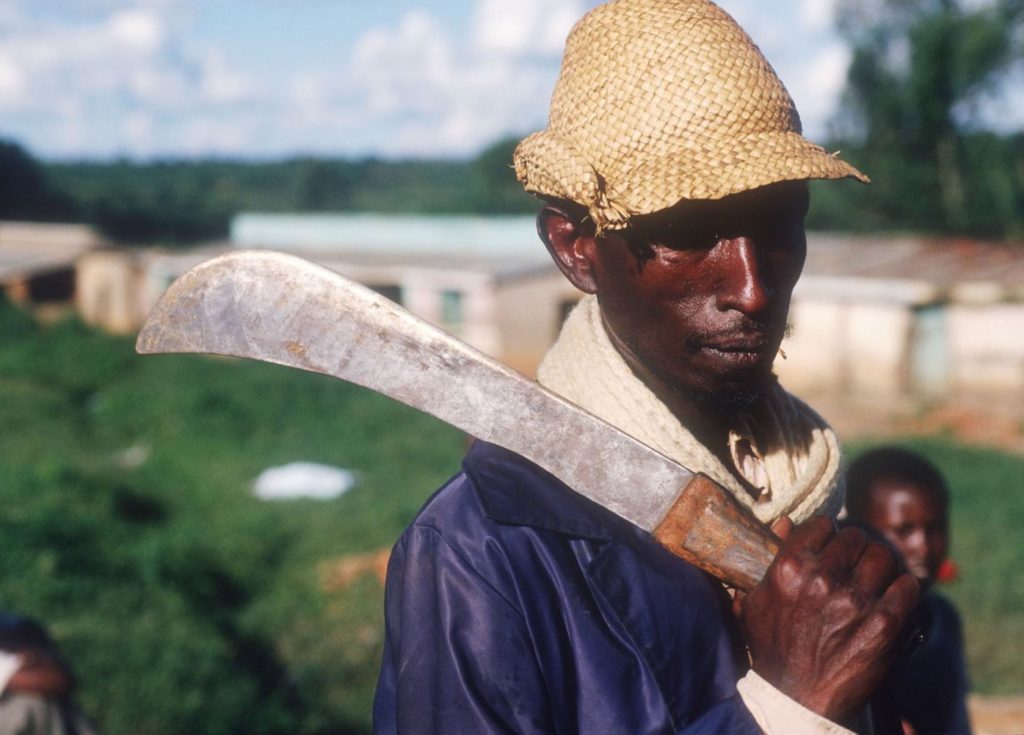
Many of the cruelest events of human history started with hate speech. In Rwanda, Tutsi people were called cockroaches and snakes for decades. Radio and newspapers regularly published hateful and wrong information about their communities. Eventually, hate against them became so normal that the killing of 1 million Tutsi people, in 100 days, seemed to many like a justified act. The Rwandan genocide began with hate speech.
Survivors of the holocaust also say that the genocide of jews, black people, members of the LGBTQ+ community, and others also started with hate speech. Nazi Germany leaders realized they could build support for their fascist cleansing project by creating propaganda campaigns that de-humanized jews and other people who did not fit into their ideal race profile. Holocaust survivors warn us that hate speech convinced regular citizens that “the Jews were cursed, the Jews are traitors and all of the problems in the world starts with the Jews, therefore what we have to do is get rid of the Jews,” and that Nazi Germany leaders “…thought they could eliminate a people with words… And then it turned out that it indeed happened.” Hateful words–not the gas chambers–started the extermination of 6 million jews.
This hatred and blaming language also happened before the genocide against the Rohingya people in 2017. In fact, Facebook is currently facing lawsuits for not taking action against hateful comments and posts that led to massacres of Rohingya people and the displacement of nearly a million people into Bangladesh.
Hate speech is not just words. History has taught us that hate speech can result in the deaths of thousands or millions of family members, friends, neighbors, and community members.
How do we stop such cruel acts from occurring again? “to prevent such calamities, we have to be watchful on all forms of hate speech. No country in the world can consider itself immune…”
Help us stop hate speech:
- Report hate speech: The app SOS Hate (link to the app) is a great resource for reporting incidents of online or in-person hate speech. With SOS Hate, you can also learn about the legal remedies and procedures that exist to combat hate speech, with particular attention to Burma and Malaysia. You can also learn about online platforms’ reporting mechanisms to flag and take down hateful posts.
- Get informed: we must all know the difference between hate speech and freedom of speech, and between informed arguments and fact-less opinions. You can read more about this here (link to 10 things you should know about hate-speech).
- Keep learning: having a good understanding of the history and impacts of hate speech will help you weigh in on discussions about hate with an informed opinion. Any time you can, your should advocate for raising awareness on hate speech at schools and workplaces. Find organizations in your area who are working to stop hate speech, join them, volunteer, support their programs, or donate to their cause.
Why is it urgent?
Around the world, numbers of neo-nazi, neo-fasist, and extremist groups are growing. All online platforms host at least some hateful comments and posts meant to attack and intimidate vulnerable groups of people. Online platforms have helped hateful messages reach even wider audiences.
We know the consequences of hate-speech. We need to act before we see history repeat itself again. The head of the UN says that we are in danger of forgetting the lessons of the holocaust, and the genocides in Rwanda, Bosnia, and Cambodia. Hate speech is a tool that convinces regular citizens that the people being hated on are less than human. It normalizes and justifies the thought of eliminating entire cultures and peoples, to the point where cruelty is seen as the right thing to do.
It is possible to stop hate. Words can kill; they can be used to divide; but they can also be used to unite and build understanding. By working together, we can stop the rise of hate speech and relieve our society and communities from its impacts. So, let’s keep learning, report incidents of hate speech, and support organizations that are working to transform the culture of hate.